
HVAC Maintenance: A Homeowner's Field Guide
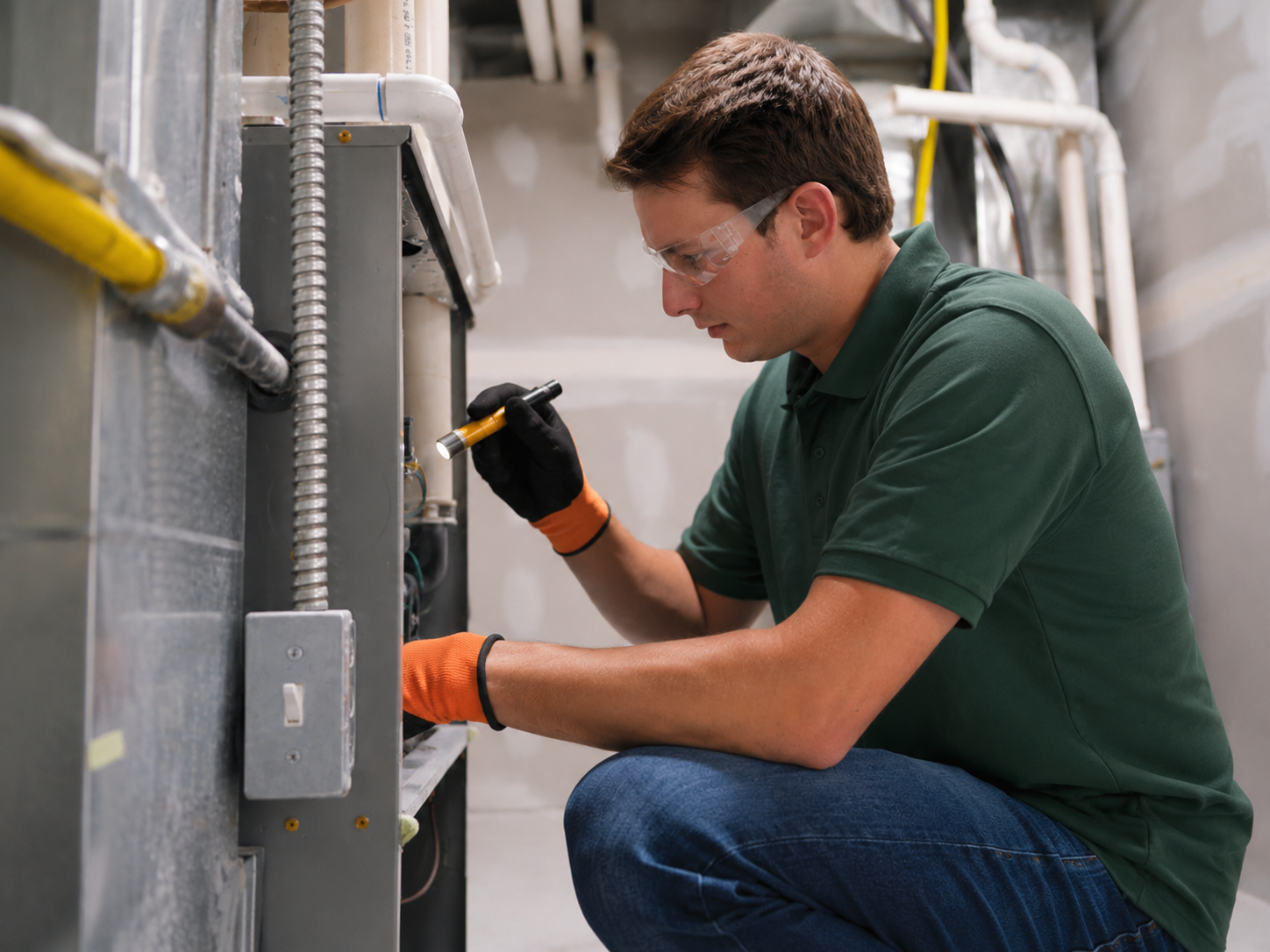
Your heating and cooling system is one of the hardest-working appliances in your home. It runs year-round to keep your family comfortable, but like any mechanical system, it requires regular maintenance to perform at its best. Over time, dust, dirt, and debris build up on critical components, reducing efficiency and increasing wear on the system.
Routine HVAC maintenance helps improve airflow, lower energy consumption, extend the lifespan of your equipment, and reduce the likelihood of unexpected breakdowns. While changing your air filter is an important first step, it's only one part of keeping your system in top condition.
The Blower
The blower is responsible for moving conditioned air throughout your home. As it operates, dust and debris naturally collect on the blower wheel and motor housing. When buildup becomes excessive, airflow is reduced, forcing the system to work harder to deliver the same level of comfort.
A clean blower helps maintain proper airflow, improves efficiency, and reduces unnecessary strain on your HVAC system.
The Evaporator Coil
Located inside your indoor unit, the evaporator coil absorbs heat from the air before it is distributed back into your home. Because air constantly passes over the coil, dust and debris can accumulate on its surface, restricting airflow and reducing heat transfer.
Keeping the evaporator coil clean helps your air conditioner cool more effectively, improves airflow, and can reduce moisture-related issues that develop from poor airflow.
The Condenser Coil
Your outdoor condenser releases the heat removed from inside your home. Grass clippings, leaves, cottonwood, dirt, and other outdoor debris often become trapped in the condenser fins, making it harder for the unit to release heat.
Regular cleaning allows the condenser to breathe properly, helping your air conditioner run more efficiently while reducing stress on the compressor—one of the most expensive components in the system.
The Flue Pipe
If your home has a gas furnace, the flue pipe safely vents combustion gases outdoors. Over time, corrosion, debris, or improper venting can affect its performance.
During routine maintenance, the flue pipe should be inspected to ensure it remains secure, unobstructed, and in good condition so your furnace can operate safely.
Burners & Heat Exchanger
For gas furnaces, clean burners are essential for efficient combustion. Dirt and debris can interfere with proper ignition and flame quality, affecting both performance and efficiency.
The heat exchanger should also be inspected for signs of wear or damage. Because it separates combustion gases from the air circulating through your home, its condition is critical to safe furnace operation.
Air Filter
Your air filter is the first line of defense against dust and airborne particles entering your HVAC system. A clogged filter restricts airflow, reduces efficiency, and can shorten the life of your equipment.
Most homes should replace their filter every 1–3 months, depending on filter type, pets, occupancy, and indoor air quality needs.
Why Preventative Maintenance Matters
Small amounts of dirt may not seem like a big deal, but they add up over time. Dirty components reduce airflow, decrease system efficiency, and force your furnace and air conditioner to work harder than necessary. The result is higher utility bills, increased wear, and a greater chance of costly repairs.
Professional HVAC maintenance addresses these issues before they become expensive problems. A thorough inspection and cleaning help your system operate safely, efficiently, and reliably throughout the year.
Keep Your System Running Like New
Routine maintenance is one of the best investments you can make in your home's comfort. By keeping components like the blower, evaporator coil, condenser, burners, and flue system clean and properly maintained, you'll help maximize efficiency, improve performance, and extend the life of your HVAC equipment.
A well-maintained HVAC system doesn't just last longer—it keeps your home more comfortable while saving you money over the long run.
